- Unique nocturnal species visibility
- Guided tours with experienced divers
- Accessibility year-round, with peak seasons from April to November
Introduction to Night Diving in Luwuk
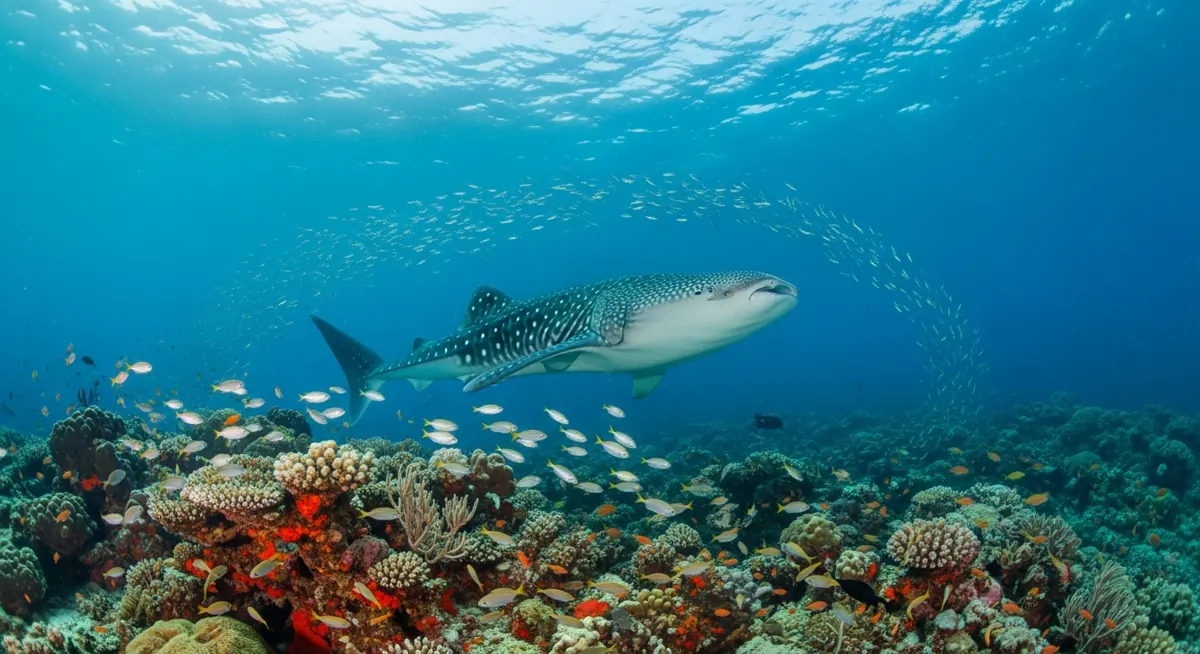
Night diving in Luwuk, Central Sulawesi, provides a unique opportunity to witness the underwater world in a different light. The darkness of night reveals a vibrant range of marine life that is often hidden during daytime dives. Luwuk, located in the Banggai Archipelago, is known for its rich biodiversity and pristine dive sites. This guide will help you prepare for an singular night dive experience in this striking region.
Why Night Diving?
Night diving offers divers a distinct perspective of underwater ecosystems. Many marine creatures exhibit different behaviors at night, making this a prime time for observation and photography. Some benefits include:
- Unique Marine Life: Many species are nocturnal and are more active at night, including certain types of fish, crustaceans, and cephalopods.
- Bioluminescence: In some areas, divers can witness bioluminescent organisms that create a magical display in the water.
- Less Crowded: Night dives tend to attract fewer divers, allowing for a more intimate experience with marine life.
Best Time for Night Diving in Luwuk
Luwuk enjoys a tropical climate, making it suitable for diving year-round. However, the best months for night diving are typically from April to November. During this period, the waters are calm, visibility is optimal, and marine life is abundant.
– Temperature: Water temperatures range from 27°C to 30°C (81°F to 86°F).
– Visibility: Average visibility can be between 15 to 30 meters (49 to 98 feet).
– Conditions: Dive conditions are generally excellent, with minimal current and stable weather patterns.
Preparation for Your Night Dive
Before embarking on a night dive, careful preparation is essential. Here’s a checklist to ensure safety and enjoyment:
- Choose a Reputable Dive Operator: Select a dive operator with experience in night diving. Look for reviews and ensure they have qualified instructors.
- Equipment Check: Ensure all diving gear is in good condition. Essential equipment for night diving includes a reliable dive light, spare batteries, and a wetsuit.
- Briefing: Attend the pre-dive briefing to understand the dive plan, communication signals, and safety procedures.
What to Expect During the Dive
Night dives typically begin with a thorough briefing and setup. Once you’re geared up and ready, you’ll enter the water in pairs or small groups. Here’s what you can expect:
– Lighting: A primary dive light is essential for navigation and spotting marine life. Keep a backup light in case of equipment failure.
– Communication: Use hand signals to communicate with your dive buddy. Visibility can be limited, so stay close and frequently check on each other.
– Marine Life: Look for unique species such as octopuses, lionfish, and various types of coral that display different colors at night.
Safety Considerations
Safety is paramount when night diving. Here are some important precautions to keep in mind:
- Dive with a Buddy: Never night dive alone. Always pair up to ensure mutual safety.
- Stay Aware of Surroundings: Use your dive light effectively but avoid shining it directly into anyone’s eyes.
- Follow Dive Plans: Stick to the dive plan and stay within the designated dive site boundaries.
Top Night Diving Spots in Luwuk
Luwuk features several prime locations for night diving, each offering its unique underwater ecosystem. Here are some recommended sites:
- Bangga Island: Known for its rich coral reefs, Bangga Island is ideal for spotting a variety of fish species and other marine life.
- Liang Beach: This location features vibrant coral gardens and is popular for observing nocturnal creatures.
- Wakod Island: Renowned for its striking biodiversity, Wakod Island is a must-visit for night divers.
Photography Tips for Night Diving
Capturing the magic of night diving can be challenging but rewarding. Here are some tips for underwater photography:
- Use a Strobe Light: A strobe can help illuminate your subject without causing backscatter that can obscure your image.
- Adjust Settings: Use manual settings on your camera to control exposure, ISO, and shutter speed for optimal results.
- Practice: Familiarize yourself with your camera settings and underwater photography techniques before your night dive.
Post-Dive Considerations
After your night dive, it is vital to take care of your equipment and reflect on your experience:
– Rinse Equipment: Thoroughly rinse your gear with fresh water to remove salt and prevent damage.
– Log Your Dive: Record your dive in your logbook, noting the site, conditions, and marine life encountered.
– Share Experiences: Engage with fellow divers to share highlights and tips for future dives.
Preparing for Your Night Dive in Luwuk
Embarking on a night dive in Luwuk offers a unique window into the nocturnal wonders of Central Sulawesi’s marine life. Prioritize safety by ensuring your equipment is well-maintained and that you’re familiar with the dive plan. Night diving requires specialized skills; consider taking a night diving course if you’re a beginner. For those experienced in diving, Luwuk’s ecosystems reveal different species that only come out after dark, adding a thrilling dimension to your underwater adventures.
If you’re interested in exploring more, check out the luwuk Diving Pricing & Cost Guide for comprehensive details on diving packages and seasonal insights. To finalize your plans, visit Luwuk Diving and see current rates to ensure you’re informed and ready for this extraordinary experience.
Exploring Night Diving in Luwuk and the Banggai Archipelago
Diving in the Luwuk and Banggai Archipelago offers a unique experience, especially when it comes to night dives. The region, known for its fringing reefs and steep walls, provides a habitat for the endangered Banggai cardinalfish (Pterapogon kauderni), which can often be spotted in shallow waters of 1-5 meters, hiding among Diadema urchins. This area is lightly developed for dive tourism, which means encounters with other divers are rare, offering a more intimate experience with marine life. Visibility typically ranges from 15 to 25 meters, occasionally reaching up to 30 meters on clear days, with water temperatures between 27-29°C, making night dives comfortable and rewarding.
For those planning a dive trip, April to October is considered the best season to explore these waters. The journey begins at Luwuk Airport (LUW), with flights available from major hubs like Makassar and Palu. From there, divers can take a ferry ranging from 1.5 to 4 hours to reach destinations like Peleng or Salakan. While the region lacks the infrastructure of more established diving locales, local operators offer guided tours to sites like Ondoliang Rock, Nemo Rock, Alibaba, and Batu Gong around Pulau Dua. These sites are accessible via chartered boats, with costs around IDR 700,000 (~USD 45) for a full-day excursion.
For those staying at Tompotika Dive Lodge, located on the Balantak Peninsula, there are opportunities for both house-reef dives and nearby boat dives. Although specific site names are not widely published, the lodge provides access to actively protected reefs. Meanwhile, on Peleng Island, the Paisupok area offers diving opportunities through local dive centers, though the exact reef names are not well-documented. Accommodation options such as Corteg Azara Poganda Beach and Azahra Cottage Poganda offer convenient bases for exploring the underwater world. While the region may not yet have the fame of other Indonesian dive spots, its rich marine biodiversity and the chance to see the Banggai cardinalfish make it a worthwhile destination for adventurous divers.