Understanding Your Diving Experience in Banggai
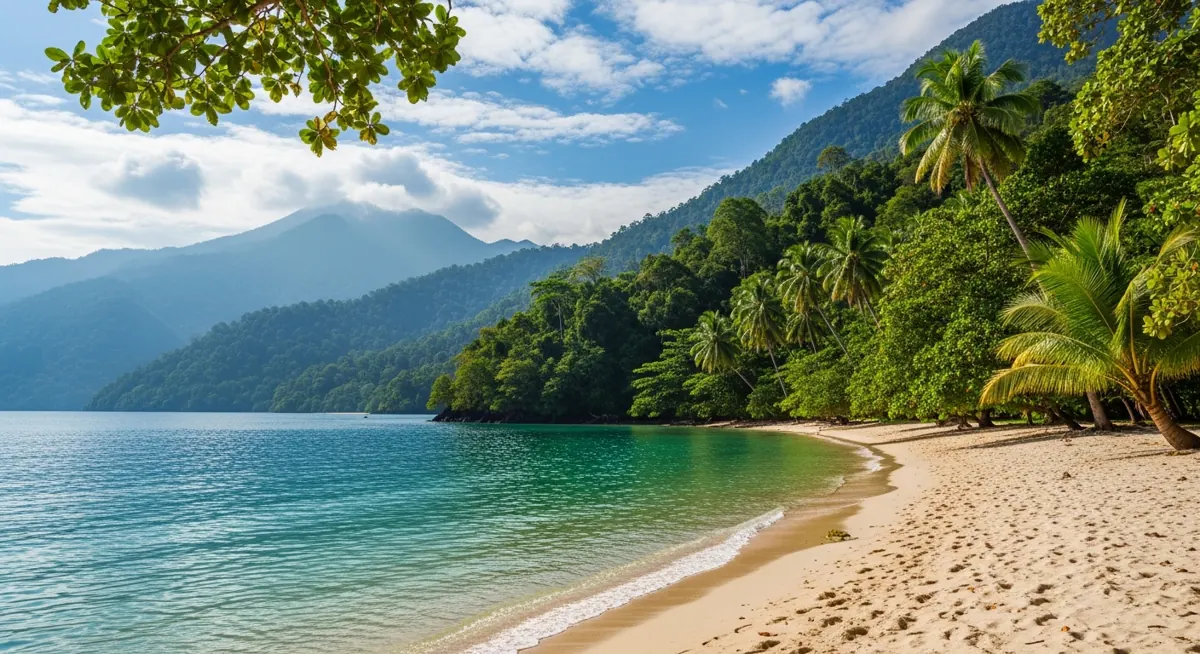
When planning your diving trip to Banggai, Central Sulawesi, it’s crucial to set realistic expectations. The region is known for its rich marine biodiversity, but your experience will depend on several factors, including the time of year, dive site selection, and your diving skill level. This guide will help you navigate what to expect when diving in Banggai.
Marine Life and Biodiversity
The Banggai Archipelago is home to an range of marine species. Expect to encounter:
- Colorful coral reefs
- A variety of fish species including clownfish, angelfish, and even the elusive sunfish
- Unique species such as the Banggai cardinalfish, endemic to this area
The biodiversity here is not just limited to fish; you may also see turtles, rays, and various invertebrates. The rich ecosystems make it an excellent destination for both beginner and experienced divers.
Best Times to Dive
The diving season in Banggai generally runs from April to November. During these months, you can expect:
- Water temperatures ranging from 27°C to 30°C (80°F to 86°F)
- Visibility between 15 meters and 30 meters (50 to 100 feet)
- Calm seas with minimal currents, especially from June to September
While diving can be done year-round, the wet season from December to March brings increased rainfall and rougher seas, which can affect visibility and safety.
Types of Dive Sites
Banggai offers a range of dive sites, each with unique characteristics. Here are a few prime locations:
- Pelagics Point: Known for its deep drop-offs and the chance to spot larger fish species.
- Coral Gardens: Ideal for beginners, this site features shallow waters filled with vibrant coral and small fish.
- Wreck Dives: Several wrecks in the area provide intriguing dives filled with history and marine life.
Each site offers distinct experiences, so it’s advisable to consult with local dive operators to choose the best spots based on your experience level and interests.
Planning Your Dive Trip
Before heading out on your diving adventure, consider the following:
- Certification: Ensure you have the appropriate certification for your experience level. Many dive centers offer courses for beginners.
- Dive Packages: Look into various diving packages that may include equipment rental, guided dives, and accommodations.
- Insurance: Obtain dive insurance that covers any incidents while diving.
Local dive shops often provide package deals, which can be cost-effective. Prices typically range from $50 to $150 per dive, depending on the location and services included.
Safety Protocols
Safety is paramount when diving. Here are some protocols to follow:
- Always dive with a buddy and ensure you communicate clearly.
- Follow the dive master’s instructions and adhere to safety guidelines.
- Check your equipment thoroughly before each dive.
Be aware of your physical limits and avoid pushing yourself beyond your capabilities. The local dive operators prioritize safety and often provide briefings to ensure you understand the dive plan and safety measures.
Local Regulations and Environmental Considerations
Before diving, familiarize yourself with local regulations, which are in place to protect the marine environment. This includes:
- Respecting marine protected areas and adhering to fishing regulations
- Not touching or collecting marine life
- Following guidelines for marine conservation
These measures are crucial for maintaining the health of the dive sites and ensuring that future generations can enjoy the same marine wonders.
Liveaboard Options
If you want to maximize your time underwater, consider a liveaboard experience. Liveaboards in Banggai offer various benefits:
- Access to remote dive sites that are not reachable from land
- Extended diving trips, often allowing multiple dives per day
- Comfortable accommodations and onboard meals
Prices for liveaboard trips vary based on the duration and amenities, typically ranging from $100 to $300 per night. Research and compare options to find the best fit for your needs.
Post-Dive Activities
After an exhilarating day of diving, you may want to explore other activities in the area. Consider:
- Visiting local markets to experience the culture
- Exploring nearby islands or taking a snorkeling trip
- Indulging in local cuisine at waterfront restaurants
Engaging in these activities not only enriches your experience but also supports the local community.
What to Expect When Diving in Banggai
Embarking on a diving adventure in Banggai means encountering a diverse range of marine life, from colorful coral reefs to unique fish species. As you prepare, consider the local diving conditions and seasonal weather patterns to enhance your experience. For those interested in contributing to marine conservation efforts, many local initiatives welcome divers’ participation, adding another layer of fulfillment to your trip.
For more information on diving packages and pricing, visit luwuk Diving Pricing & Cost Guide. Planning specifics? See our luwuk Diving Pricing & Cost Guide guide or read the full guide.
Exploring the Untouched Waters of Luwuk and the Banggai Archipelago
For your first diving adventure in Luwuk and the Banggai Archipelago, expect a truly exploratory experience. This area is known for its fringing reefs and steep walls, offering a rich habitat for the endangered Banggai cardinalfish (Pterapogon kauderni). Diving conditions are generally favorable, with water temperatures ranging between 27-29°C and visibility typically between 15-25 meters, extending up to 30 meters on clear days. The best diving season spans from April to October, when conditions are most stable.
Start your journey by flying into Luwuk airport (LUW), accessible via Makassar or Palu. From Luwuk, a drive of approximately four hours followed by a short boat ride will bring you to the volcanic islets of Pulau Dua. Here, you can explore dive sites like Ondoliang Rock and Nemo Rock, known for their colorful coral gardens and diverse reef fish. These sites are accessible via local boat charters, typically costing around USD 45-50 for a full-day trip. The reefs in this region are ideal for photographers, offering vibrant marine life and occasional dolphin sightings.
Further exploration can take you to the Banggai Islands, where the diving infrastructure is still developing. A ferry ride of 1.5 to 4 hours from Luwuk will bring you to Peleng Island, home to a dive center in the Paisupok area. Here, the reefs offer sightings of the unique Banggai cardinalfish, often found in shallow waters among Diadema urchins. While dive site names are sparse, the experience is genuinely frontier, with opportunities for snorkeling and diving near homestays like Corteg Azara Poganda Beach. Expect to pay slightly more for diving services on Peleng due to its remote location, with costs varying based on the operator and package chosen.