The Banggai Archipelago is one of Indonesia’s last genuinely uncrowded dive regions — a scatter of volcanic islets and protected coastal reefs east of Luwuk, in Central Sulawesi. It is the only place on earth where the endemic Banggai cardinalfish lives in the wild, and the diving here rewards travellers who value quiet water and real discovery over polished resorts.
Diving Luwuk and the Banggai Archipelago
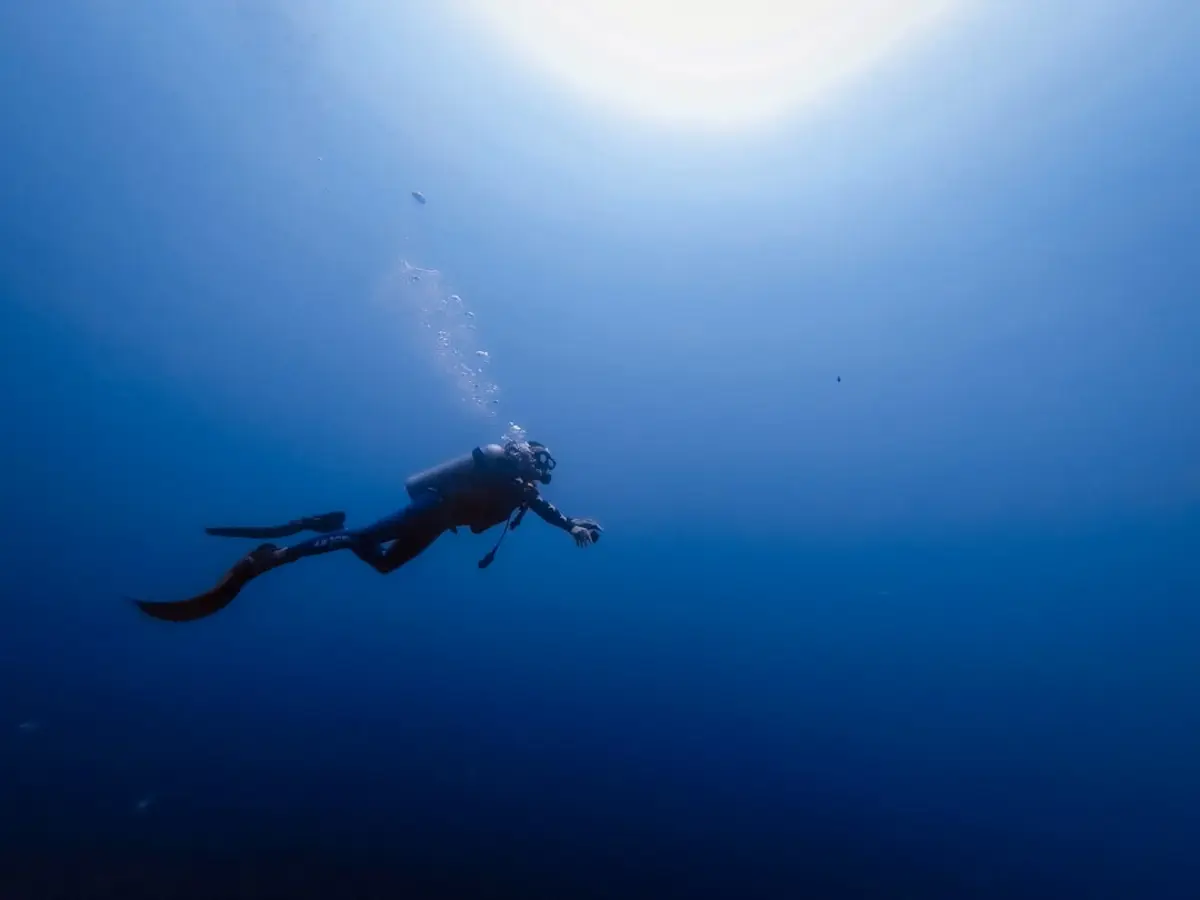
Diving in Luwuk and the Banggai Archipelago offers an opportunity to explore a frontier region that remains largely untouched by mass tourism. The area is renowned for its fringing reefs and steep walls, providing a habitat for a variety of marine life, including the endemic Banggai cardinalfish. The region’s relative isolation means it is lightly developed, offering an uncrowded diving experience that is rare in today’s world. For those seeking an adventure off the beaten path, Luwuk and the Banggai Archipelago present an ideal destination. Learn more about this unique diving location in our definitive guide.
While the area may lack the infrastructure of more established diving destinations, this is part of its charm. The waters are rich with vibrant coral gardens and small pelagics, making it perfect for underwater photography and exploration. Divers can expect to encounter a variety of reef fish and possibly even dolphins during their excursions. The local operators provide a personalized experience, ensuring that each dive is tailored to the needs and interests of the visitors. This makes Luwuk and the Banggai Archipelago a must-visit for those looking to discover Indonesia’s hidden underwater gems. Read more in our definitive Luwuk diving guide.
Dive Sites Around Pulau Dua
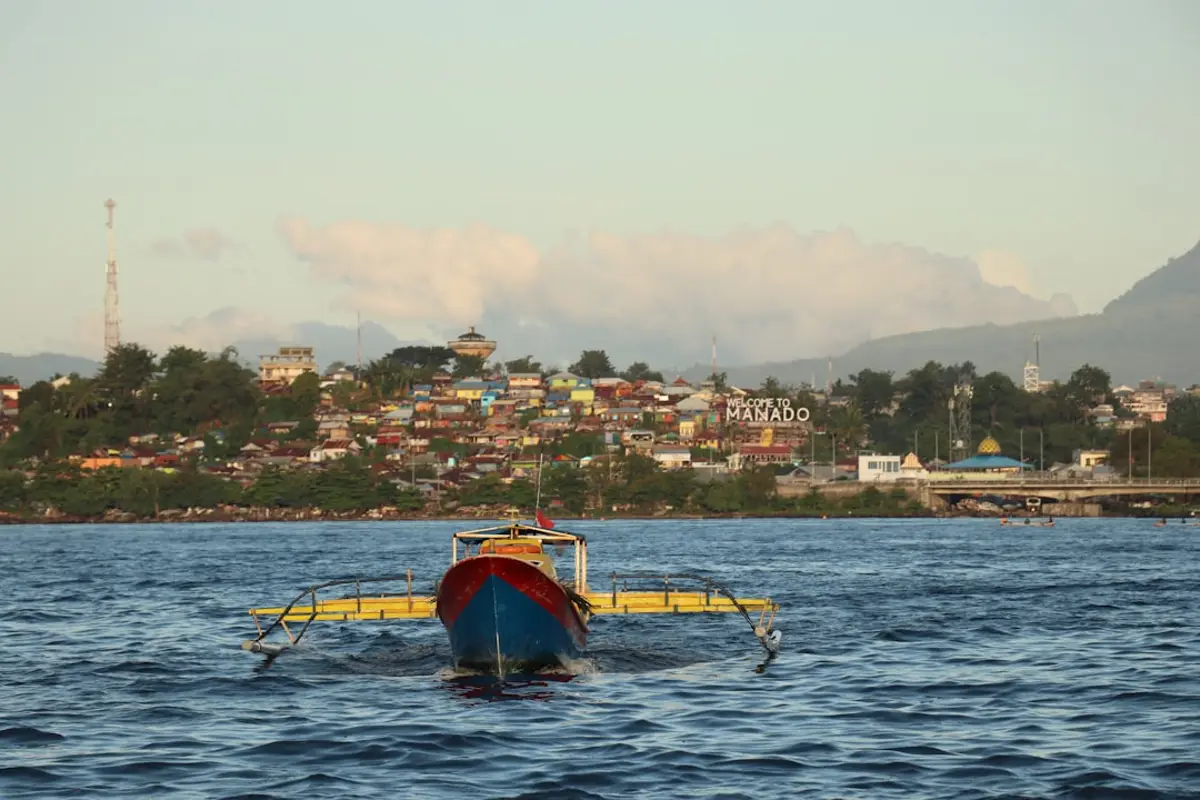
Pulau Dua, also known as Pulo Dua Balantak, is a must-visit for divers exploring the Luwuk area. Located approximately 126 km from Luwuk, it requires a four-hour drive followed by a short boat ride. The island is home to several named dive sites, including Ondoliang Rock, Nemo Rock, Alibaba, and Batu Gong. These sites offer clear waters and vibrant coral reefs, with steep shore dives that are teeming with marine life. A whole-day boat charter around Pulau Dua costs about IDR 700,000 (~USD 45), providing excellent value for an immersive diving experience. For more details on dive sites and routes, visit our destinations page.
The diving experience at Pulau Dua is enriched by the area’s natural beauty and biodiversity. The colorful coral gardens are a haven for reef fish, making it an ideal spot for underwater photography. The possibility of encountering dolphins adds an extra layer of excitement to the trip. The island also offers opportunities for hill climbing, dolphin watching, and beach BBQs, allowing visitors to enjoy a variety of activities in one day. With its combination of natural beauty and diverse marine life, Pulau Dua is a highlight for any diving itinerary in the region. Browse the full list of reefs in our Luwuk dive sites and routes.
The Coastal Reefs of Tompotika and Peleng
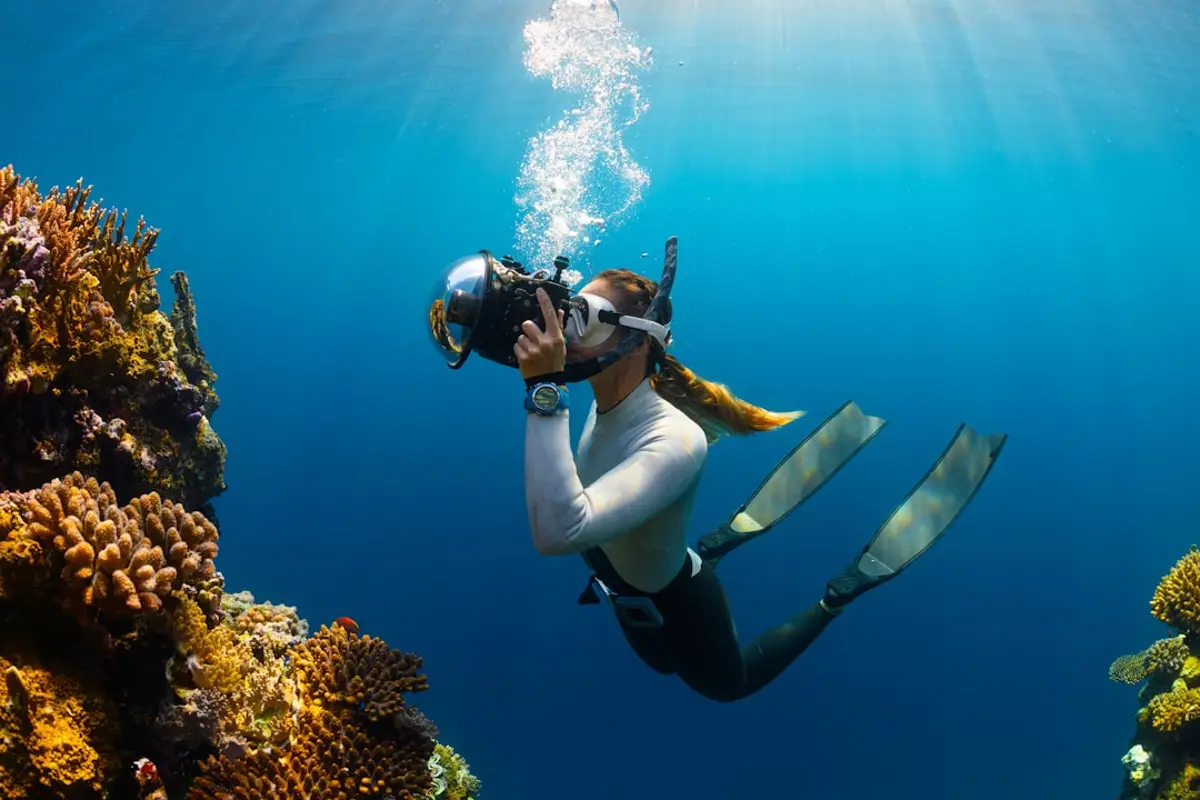
The Tompotika Dive Lodge, located on the Balantak Peninsula, offers access to some of the most protected and pristine reefs in Central Sulawesi. The lodge provides both house-reef style diving and boat dives, catering to divers of all levels. The reefs are actively protected, ensuring that the marine life remains abundant and the corals healthy. Although specific site names are not widely published, the area promises a rewarding diving experience. For information on boats and cabins, visit our fleet page.
Near Peleng Island, diving operations are available, particularly around the Paisupok area and Poganda Beach. These locations offer homestays such as Corteg Azara Poganda Beach and Azahra Cottage Poganda, providing convenient access to the local dive sites. While exact reef names are not documented, the area is known for its vibrant underwater life, including turtles and reef fish. The presence of licensed dive centers ensures that visitors can explore these waters safely and enjoyably. For more information on available dive sites and accommodations, check out our destinations page. Compare the boats and cabins available on our fleet and accommodation page.
Meeting the Banggai Cardinalfish
The Banggai cardinalfish, Pterapogon kauderni, is an iconic species endemic to the Banggai Archipelago. Listed as Endangered by the IUCN, it is a sought-after sight for divers and snorkelers visiting the region. The fish is typically found in shallow waters, between 1-5 meters, often sheltering among Diadema sea urchins, anemones, and seagrass beds. This unique habitat offers a fascinating glimpse into the biodiversity of the area. For those interested in macro life, Sulawesi also offers encounters with mandarinfish, nudibranchs, and pygmy seahorses, adding to the allure of the region.
The chance to see the Banggai cardinalfish in its natural habitat is a highlight of any diving trip to the area. Local guides and tourism sites emphasize the presence of this species as a key attraction for divers. The combination of the cardinalfish and other macro life forms makes the Banggai Archipelago a prime destination for underwater photography and marine enthusiasts. For more detailed information on the area’s marine life, visit our definitive guide.
Water, Visibility and the Best Season to Dive
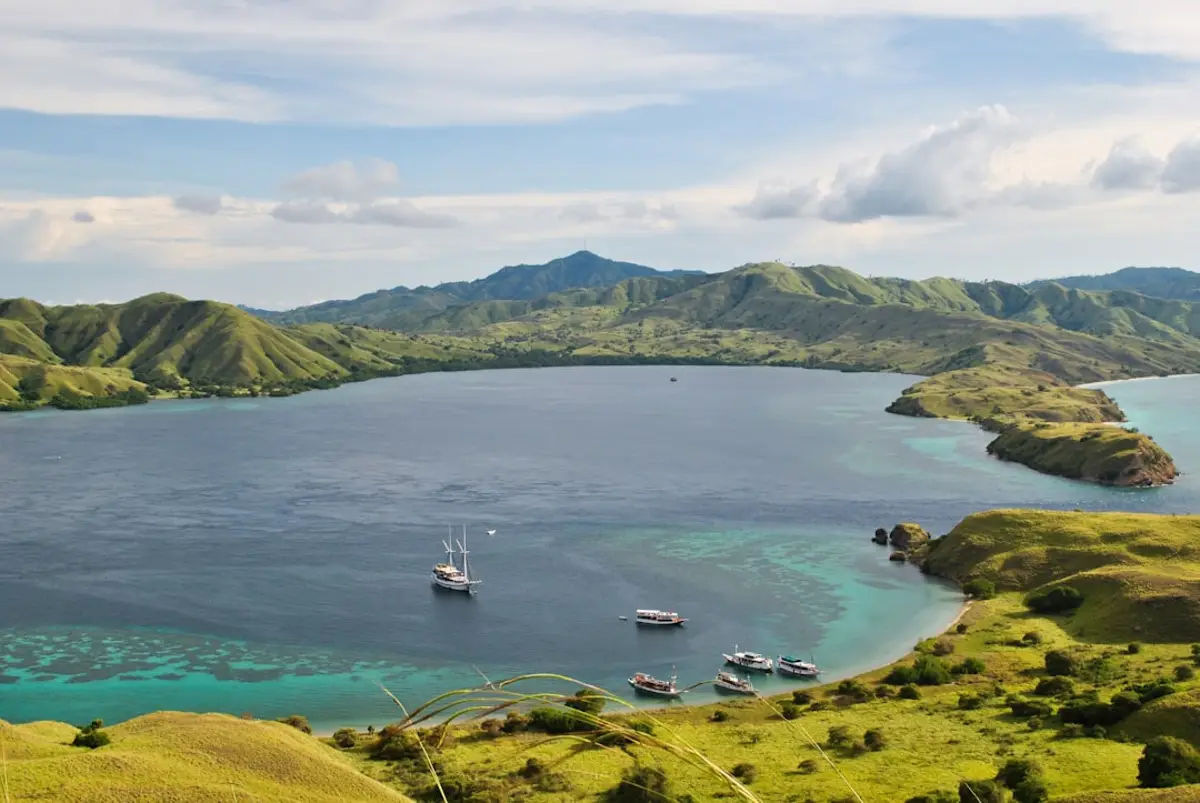
Diving conditions in Luwuk and the Banggai Archipelago are generally favorable, with water temperatures ranging from 27-29°C year-round. Visibility is typically between 15-25 meters, although it can reach up to 30 meters on clear days at outer reefs. Near river mouths, visibility may drop to 10-15 meters following rainfall. The best diving season is from April to October, with the wetter months of November to March seeing more rainfall. The shoulder months of April-May and September-October are particularly good for macro photography. For detailed pricing and seasonal planning, visit our pricing & cost guide.
Understanding the seasonal variations is crucial for planning a successful dive trip. During the peak season, divers can expect calmer seas and clearer waters, making it ideal for exploring the diverse marine life. The off-peak season, while wetter, offers unique opportunities for spotting macro life due to the different environmental conditions. By planning your trip according to the seasonal patterns, you can maximize your chances of experiencing the best that Luwuk and the Banggai Archipelago have to offer. Seasonal timing and costs are broken down in our Luwuk diving pricing and cost guide.
Getting to Luwuk and the Banggai Islands
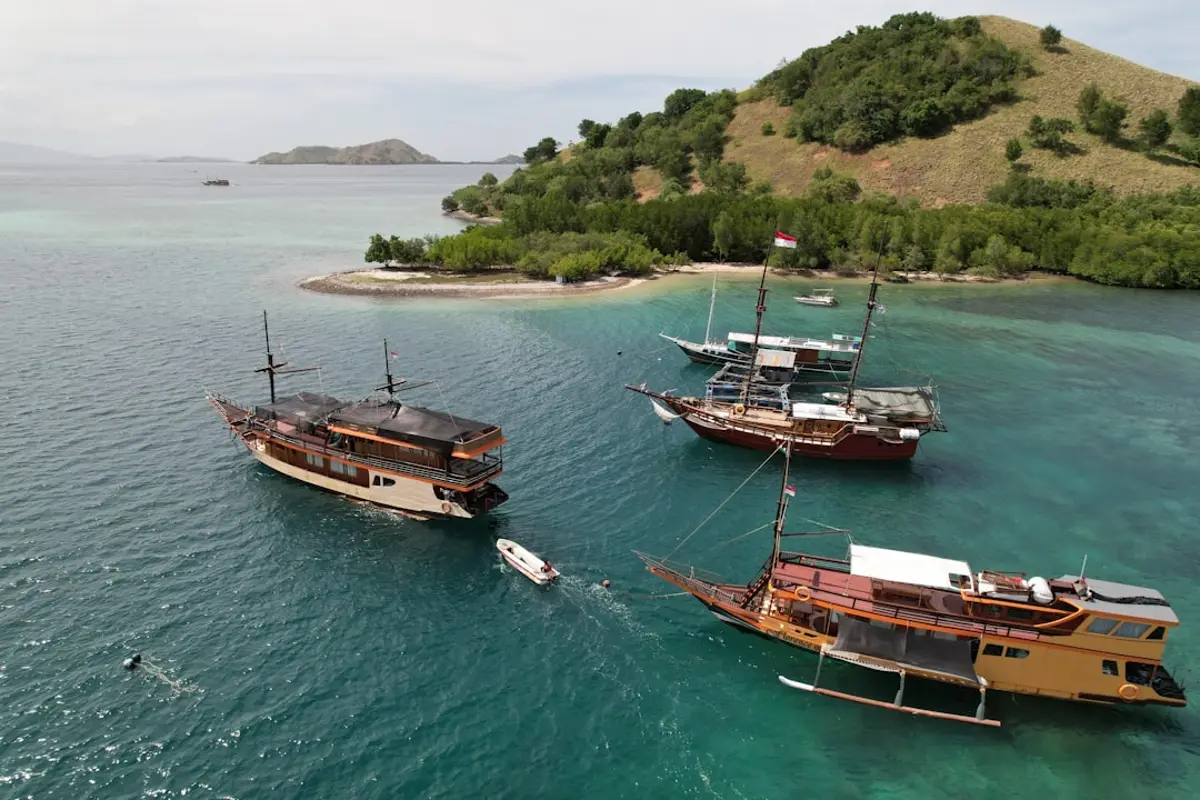
Traveling to Luwuk and the Banggai Islands is relatively straightforward, with flights available to Syukuran Aminuddin Amir Airport (LUW). Flights typically connect via Makassar (UPG) in approximately 1h10-1h30 or Palu (PLW) in about 45-60 minutes. From Luwuk, ferries and speedboats can take you to Peleng or Salakan in roughly 1.5-4 hours. For guided day trips, expect to budget around USD 80-150, while multi-day packages range from USD 400-900. Regional Sulawesi liveaboards start from around USD 250-400 per day. For more information on dive packages and itineraries, visit our dive packages page and check our FAQ page.
Planning your travel logistics in advance ensures a smooth experience, allowing you to focus on diving and exploration. The area offers a range of accommodation and diving options to suit different budgets and preferences. Whether you’re interested in guided day trips or more extensive multi-day packages, there are options available to cater to your needs. For those considering liveaboard experiences, the regional operators provide an immersive way to explore the diverse marine environments of Central Sulawesi. See ready-made itineraries on our dive packages and itineraries page, or check the frequently asked questions for trip logistics.
Banggai Compared to Bunaken, Wakatobi, Togean and Lembeh
The Banggai Archipelago offers a unique diving experience characterized by its endemic Banggai cardinalfish and uncrowded frontier reefs. In contrast, Bunaken is known for its dramatic walls, providing a different kind of underwater spectacle. Wakatobi boasts pristine offshore reefs and high visibility, making it a favorite for those seeking clear waters. Lembeh is renowned for its world-class muck and macro diving, attracting photographers and critter enthusiasts. Meanwhile, the Togean Islands are celebrated for their snorkeling opportunities, lagoons, and relaxed island life.
Each of these destinations offers its own distinct appeal, catering to different interests and diving styles. While the Banggai Archipelago may not have the established infrastructure of these other locations, its untouched reefs and diverse marine life make it a compelling choice for adventurous divers. By understanding the unique characteristics of each destination, you can tailor your diving itinerary to match your preferences and make the most of your time in Indonesia.
Plan Your Luwuk and Banggai Dive Trip
Embarking on a dive trip to Luwuk and the Banggai Archipelago promises an adventure filled with discovery and natural beauty. The region’s uncrowded reefs and unique marine life provide an experience that is both enriching and memorable. Whether you’re an experienced diver or a beginner, the area’s diverse offerings cater to a wide range of interests and skill levels. To start planning your trip or check availability, visit our availability and planning page.
For those looking to explore the itineraries and dive packages available, we offer a variety of options designed to suit different preferences and budgets. Our itineraries page provides detailed information on the packages available, helping you to choose the one that best fits your needs. With its combination of adventure, tranquility, and biodiversity, a dive trip to Luwuk and the Banggai Archipelago is sure to be a rewarding experience. Tell us your dates to check availability and start planning, or see our curated dive packages.