Understanding Macro Photography in the Banggai Archipelago
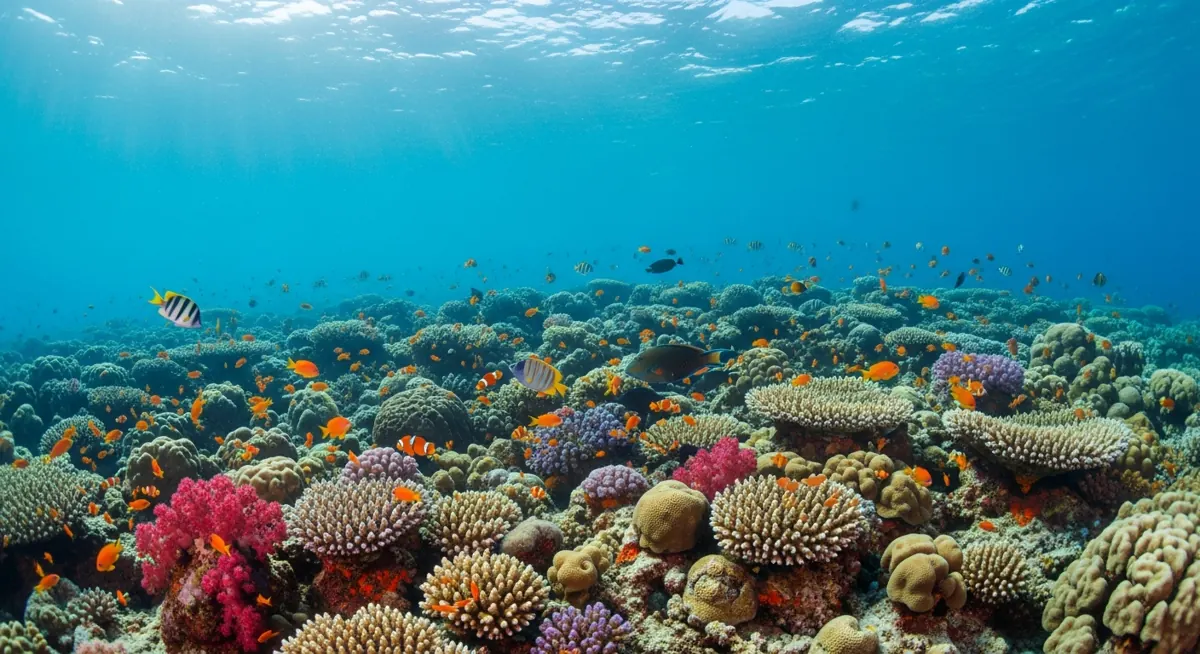
Macro photography focuses on capturing small subjects at close range, revealing intricate details and colors that often go unnoticed. The Banggai Archipelago, with its rich marine biodiversity, offers an ideal backdrop for macro photography, making it a prime location for both novice and expert photographers.
Why Choose the Banggai Archipelago?
The Banggai Archipelago is renowned for its diverse marine ecosystems. With over 1,000 species of fish and 500 species of coral, this area presents countless opportunities for macro photography. Divers can encounter unique creatures such as:
- Critically endangered Banggai cardinalfish
- Colorful nudibranchs
- Small crustaceans like shrimp and crabs
- Sea horses and pipefish
This rich biodiversity not only enhances your photographic experience but also contributes to the conservation of these delicate ecosystems.
Best Dive Sites for Macro Photography
When planning your diving itinerary in the Banggai Archipelago, consider the following prime dive sites known for their macro photography potential:
1. Puri Puri
Puri Puri is a popular dive site featuring vibrant coral gardens and a variety of small marine species. The shallow waters make it accessible for divers of all levels. Expect to see nudibranchs, shrimps, and small fish species.
2. Bokan Island
Bokan Island is less explored, making it a hidden treasure for macro photographers. The site is home to many unique critters, including various species of gobies and colorful anemones. The underwater topography provides striking backdrops for your shots.
3. Sula Island
Sula Island features a rich underwater landscape with plenty of nooks and crannies, perfect for finding small creatures. Look out for seahorses and tiny shrimp hiding among the corals.
Essential Gear for Macro Photography
To capture the striking details of marine life, having the right gear is crucial. Here’s a breakdown of essential equipment for underwater macro photography:
- Camera: A DSLR or mirrorless camera with a macro lens (60mm to 105mm) is recommended for sharp images. Compact cameras with macro capabilities can also work well.
- Housing: Invest in a high-quality underwater housing to protect your camera from water damage. Ensure it’s rated for the depths you plan to dive.
- Lighting: Use an external strobe or video light to illuminate subjects, especially in deeper waters where natural light may not reach.
- Tripod: A compact tripod or stabilizer can help achieve steady shots, especially in low-light conditions.
Tips for Capturing Striking Macro Images
Macro photography requires a different approach than traditional underwater photography. Here are some tips to enhance your results:
1. Get Close
Macro photography is all about details. Use a wide aperture to create a shallow depth of field and blur the background, which allows your subject to stand out.
2. Mind Your Buoyancy
Maintain neutral buoyancy to avoid disturbing marine life and to keep your camera steady. Practice controlling your buoyancy before diving to improve your shots.
3. Use Natural Light
When possible, utilize natural light to capture the true colors of your subjects. If you’re in shallower waters, this can produce striking results without additional lighting equipment.
4. Patience is Key
Marine creatures may be shy or easily startled. Approach your subjects slowly and patiently to capture their natural behavior without causing stress.
Seasonal Insights for Diving in Luwuk
Understanding the seasons will help you plan your macro photography adventure in the Banggai Archipelago:
- Dry Season (April to October): Optimal visibility and calmer seas make this the best time for diving and photography.
- Wet Season (November to March): Conditions can be unpredictable, with strong currents and reduced visibility. However, some divers prefer this season for fewer crowds.
Photography Workshops and Liveaboard Options
If you’re serious about improving your underwater photography skills, consider joining a workshop. Many dive operators in the region offer specialized courses focused on macro photography, led by experienced instructors.
Liveaboard trips can also be a great choice for dedicated photographers. These trips allow you to explore multiple dive sites, maximizing your opportunities to capture diverse marine life. Prices for liveaboard packages typically range from $1,000 to $2,500 for a week-long trip, depending on the level of luxury and inclusivity.
Enhance Your Macro Photography in the Banggai Archipelago
Embarking on a macro photography journey in the Banggai Archipelago offers a unique chance to capture the intricate details of its underwater life. Equip yourself with the right gear and knowledge to tackle the challenges of underwater photography, allowing you to document the dynamic biodiversity that defines this captivating region.
For more information on diving packages and pricing, visit our detailed guides at our luwuk Diving Pricing & Cost Guide guide. Whether you’re a beginner or an experienced diver, Luwuk Diving is here to ensure your underwater adventures are singular.
Planning specifics? See compare your choices or book Luwuk Diving | Luwukdiving.
Exploring the Underwater Wonders of Luwuk and Banggai: A Photographer’s Guide
The waters surrounding Luwuk and the Banggai Archipelago offer a unique underwater photography experience, particularly for those interested in capturing the vibrant ecosystems of fringing reefs and steep walls. Dive sites such as Ondoliang Rock, Nemo Rock, Alibaba, and Batu Gong around Pulau Dua (Balantak) present excellent opportunities to photograph colorful coral gardens and diverse marine life. Visibility typically ranges from 15 to 25 meters, occasionally reaching up to 30 meters on particularly clear days, with water temperatures between 27 to 29°C. The best season to visit is from April to October, when conditions are optimal for underwater photography.
A notable subject for photographers is the endemic Banggai cardinalfish (Pterapogon kauderni), a striking species listed as Endangered by the IUCN. These fish are commonly found at shallow depths of 1 to 5 meters, often among Diadema urchins, making them accessible for both snorkelers and divers. Capturing the intricate patterns and behaviors of this species can be a rewarding challenge for photographers. To reach this region, travelers can fly into Luwuk Airport (LUW) from Makassar or Palu, followed by a short ferry ride of 1.5 to 4 hours to Peleng or Salakan.
The dive infrastructure in Luwuk and the Banggai Archipelago is still developing, with most information coming from local operators. While the Tompotika Dive Lodge on the Balantak Peninsula provides an integrated dive center with access to protected reefs, specific site names and attributes are less documented compared to more established dive destinations. For those seeking adventure off the beaten path, the cost of a day trip boat charter from Kampangar to explore Pulau Dua is approximately USD 45 (IDR 700,000), offering a full day of diving, snorkeling, and enjoying the natural beauty of the area. Although facilities may be limited, the region promises a genuine and enriching experience for underwater photographers willing to explore this frontier diving destination.