- Clear waters with excellent visibility in peak months.
- Seasonal fluctuations in visibility due to weather conditions.
- Singular dive experiences across diverse marine ecosystems.
Understanding Water Visibility in Luwuk
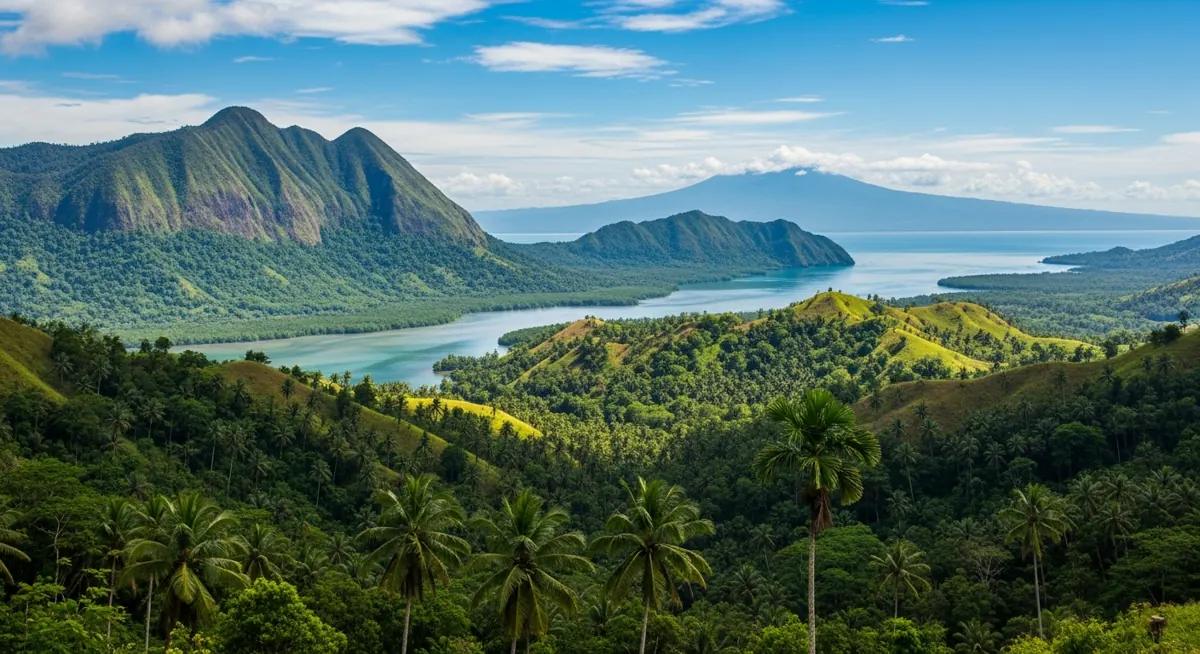
Luwuk, situated in Central Sulawesi, Indonesia, offers a diverse marine environment that attracts divers from around the globe. One of the key factors influencing the quality of diving experiences in this region is water visibility. This guide will provide insights into the visibility conditions you can expect when diving in Luwuk, helping you plan your underwater adventure.
What Affects Water Visibility?
Water visibility in Luwuk is influenced by several factors:
- Seasonal Changes: The visibility can fluctuate significantly between the wet and dry seasons. The dry season generally offers clearer waters.
- Weather Patterns: Wind, rain, and ocean currents can all impact the clarity of the water. Heavy rains can lead to increased sediment and reduced visibility.
- Marine Life: The presence of plankton blooms can affect visibility, although these blooms are essential for the ecosystem.
Seasonal Visibility Breakdown
Understanding the seasonal patterns will help you choose the best time for your diving trip:
Dry Season (May to October)
During the dry season, water visibility often reaches its peak, ranging from 20 to 40 meters. This period is ideal for divers looking for clear waters and vibrant marine life. The calm seas make for enjoyable diving conditions, allowing for longer dives and more extensive exploration.
Wet Season (November to April)
The wet season brings increased rainfall and potential storms, which can reduce visibility to around 10 to 20 meters. While diving is still possible during this period, it’s essential to be aware that conditions may vary. Some dive sites may be less accessible due to stronger currents or reduced visibility, but this season can also offer unique encounters with marine life such as larger pelagic species.
Best Dive Sites for Visibility
Luwuk offers numerous dive sites, each offering unique experiences and varying visibility:
- Karang Tua: Known for its vibrant coral gardens, visibility here can reach up to 30 meters during the dry season.
- Wakidi Reef: A favorite among divers, this site offers diverse marine life and excellent visibility, particularly from June to September.
- Goa Binta: Famous for its underwater caves and rock formations, visibility can vary but is often good during the dry season.
Planning Your Dive Trip
To ensure the best experience, consider the following when planning your dive trip to Luwuk:
Timing Your Visit
Choosing the right time to visit is crucial for maximizing visibility. Aim to schedule your trip between May and October for the best conditions. If you’re flexible, monitor local weather forecasts and dive reports to select the ideal week for diving.
Choosing the Right Dive Operator
Select a reputable dive operator that understands the local conditions and provides updated information on visibility and dive site accessibility. Experienced guides can enhance your experience by knowing the best spots to visit based on current conditions.
Equipment Considerations
Ensure you have the right diving gear for varying visibility conditions. A good underwater camera can capture the striking marine biodiversity you’ll encounter, but be mindful of how visibility can affect your photography.
Safety Precautions
Diving in varying visibility conditions can present challenges, so it’s essential to prioritize safety:
- Buddy System: Always dive with a buddy, especially in reduced visibility, to enhance safety.
- Stay Close: Maintain close proximity to your diving partner and communicate clearly.
- Know Your Limits: If visibility is poor, it may be wise to limit your dive time or depth.
Optimizing Your Dive Timing in Luwuk
Understanding how the seasons affect water visibility is key to planning a memorable diving trip in Luwuk. During the dry season, visibility can reach up to 30 meters, providing a stunning view of the coral gardens and marine life. Experienced divers often plan their trips during this period to take full advantage of the crystal-clear waters.
For detailed information on diving packages and pricing, explore our comprehensive guide on luwuk Diving Pricing & Cost Guide. If you’re arranging travel logistics, check out the current rates or consult our book Luwuk Diving | Luwukdiving guide for additional planning support.
Diving Conditions and Visibility in Luwuk and Banggai Archipelago
The Luwuk and Banggai Archipelago region presents a unique opportunity for divers seeking to explore less-traveled waters with rich marine biodiversity. Visibility in these waters typically ranges from 15 to 25 meters, occasionally reaching up to 30 meters on exceptionally clear days. Water temperatures are comfortably warm, averaging between 27°C and 29°C. The prime season for diving here spans from April to October, when the seas are generally calmer and visibility is at its best. Divers can access the region via Luwuk Airport (LUW), with flights from Makassar or Palu, followed by a ferry ride of 1.5 to 4 hours to reach islands like Peleng and Salakan.
One of the key attractions of the area is the endemic Banggai cardinalfish (Pterapogon kauderni), listed as endangered by the IUCN. This species thrives in shallow waters, typically between 1 to 5 meters, where it finds refuge among Diadema sea urchins. Divers and snorkelers alike can observe these captivating fish in their natural habitat, especially around the fringing reefs of Pulau Dua and the Banggai Islands. The reefs here are home to vibrant coral gardens and a variety of reef fish, making them ideal for underwater photography and marine life enthusiasts.
For those planning a diving trip, it’s important to note that the region is still in the early stages of dive tourism development. While sites like Ondoliang Rock, Nemo Rock, Alibaba, and Batu Gong near Pulau Dua offer stunning underwater landscapes, organized tours and dive operations may be limited. Local fishermen often provide boat charters, with costs around USD 45-50 for a full-day excursion. Additionally, the Tompotika Dive Lodge on the Balantak Peninsula offers dive services and access to nearby protected reefs. On Peleng Island, dive centers in the Paisupok area and homestays such as Corteg Azara Poganda Beach provide further options for exploring the underwater wonders of this region. However, divers should be prepared for basic facilities and the absence of large-scale dive operations, which is part of the charm and challenge of diving in this frontier region.